
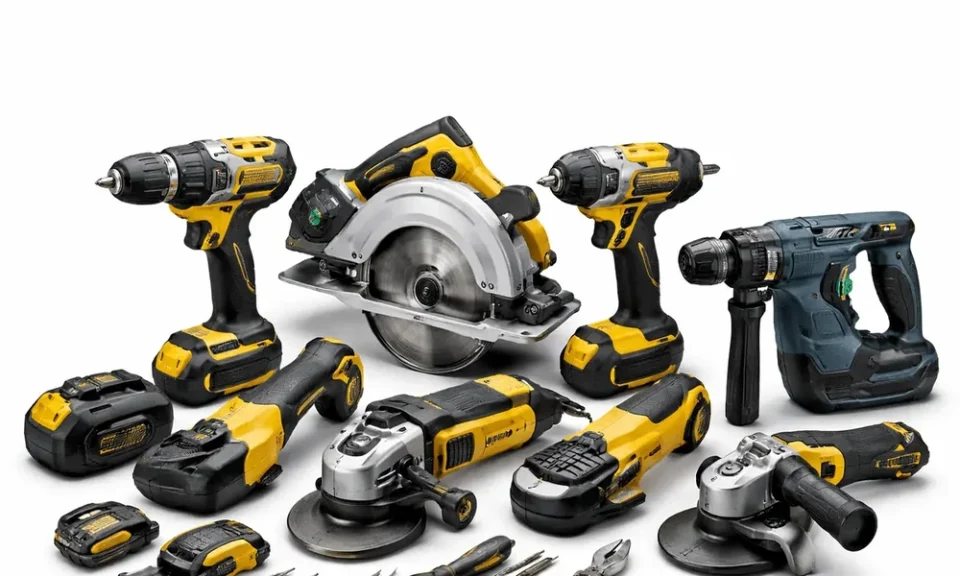
Forget glossy ads and influencer hype: the power tool you pick can make or break your home project before you even start. The wrong choice doesn’t just slow you down; it can derail timelines, rack up costs, and even lead to dangerous mistakes.
The Hidden Cost of Choosing the Wrong Power Tool
Every DIYer knows the sinking feeling when a job that should have taken a weekend drags on for weeks. The reason is often as simple as using an incompatible or underpowered tool. For example, take a homeowner eager to rebuild a backyard deck. They opt for a bargain drill, only to discover halfway through that it can’t drive screws reliably into treated lumber. The result? Stripped screws, endless battery swaps, and mounting frustration. The project stalls, weather takes its toll on exposed materials, and what began as a confident upgrade turns into damage control.
Matching Power Tools to Project Needs
Not all drills, saws, or sanders are created equal, and project requirements can vary wildly. Installing kitchen cabinets calls for a lightweight, high-precision drill that won’t fatigue your arm or splinter wood. In contrast, tackling masonry for a garden wall means seeking out a hammer drill with sufficient torque and impact power. When you match your power tool to the task, you unlock smoother workflow, better results, and less rework.
Project quality hinges on tool specifications: motor power, bit compatibility, speed settings, and even handle ergonomics. These details might seem technical, but overlook them and you risk cracked tiles, uneven cuts, and finish work that doesn’t last.
Durability and Reliability: What Professionals Know
Why do professionals swear by premium brands and stick with them for years? Simple: reliable tools keep projects on schedule. Consider a side-by-side comparison of cordless drills. One boasts a larger battery, brushless motor, and metal gears; the other, a basic model with lower capacity and plastic internals. Halfway through a renovation, the budget drill overheats and stalls, while the professional model powers through. The cost of replacing or repairing failed tools, plus lost time, soon eclipses any upfront savings.
Investing in durability pays off over time. Pro-grade tools may cost more, but less downtime, fewer breakdowns, and longer lifespans mean genuine value. Retailers like Gsmdepot.ca help buyers compare features and reputations, offering a practical way to find quality without overspending.
Safety First: Avoiding Injuries Through Proper Tool Selection
“Good enough” is never good enough when it comes to safety. Using a circular saw designed for fine woodworking to cut thick fence posts is a recipe for binding blades, kickback, or worse. Stories abound of home improvers ignoring safety ratings or forgoing features like blade guards and anti-kickback mechanisms, leading directly to avoidable injuries.
Look for tools with ergonomic grips, accessible safety switches, and proper guards. Never substitute a tool just because it’s available in your toolbox if it wasn’t made for the job at hand.
The Impact of Technology and Features on Home Projects
Recent advances in tool technology are more than just buzzwords. Smart features, like digital torque settings or integrated LED lighting, can make precision work easier and minimize mistakes. Brushless motors improve efficiency and cut down on maintenance, while well-designed battery systems keep you working without interruption.
A woodworker using a smart sander, for example, can dial in the exact finish desired and avoid over-sanding corners or edges. These features translate to faster completion, less waste, and professional-level results.
Budgeting Smart: Balancing Cost with Performance
Dropping top dollar on the latest model isn’t always necessary. For occasional DIYers, a solid mid-range tool will outperform a cheap throwaway model without blowing the budget. The trick is to know where to invest: prioritize power and durability for core tools used on every job (drills, saws, sanders) and consider value options for accessories or highly specialized equipment.
For example, a homeowner who renovates once a year may find mid-range drills last for years, while a contractor needs to step up to professional models. Understanding your own project scope helps avoid overspending and ensures your investment fits your needs.
Maintenance and Longevity: Keeping Tools Ready for Every Job
A well-chosen tool is only as good as the care it receives. Routine maintenance, cleaning vents, checking batteries, oiling moving parts, prevents unexpected breakdowns right when the pressure is on. Neglect or improper storage can turn even the best tool into an expensive paperweight overnight.
Simple habits like storing tools in dry, protected spaces and following manufacturer guidelines pay off through longer service life and fewer mid-project failures.
Final Thoughts: Making Informed Choices for Successful Home Projects
Home projects succeed or fail long before the first screw is driven, often depending on the tools you select. The lessons are clear: align tools to the job, prioritize durability and safety, and match your budget to your real needs. Always consider how features and design impact both results and your well-being.
When in doubt, seek out reputable sources and experienced advice to help you make the right call. Your home, and your confidence, will thank you for it.
