
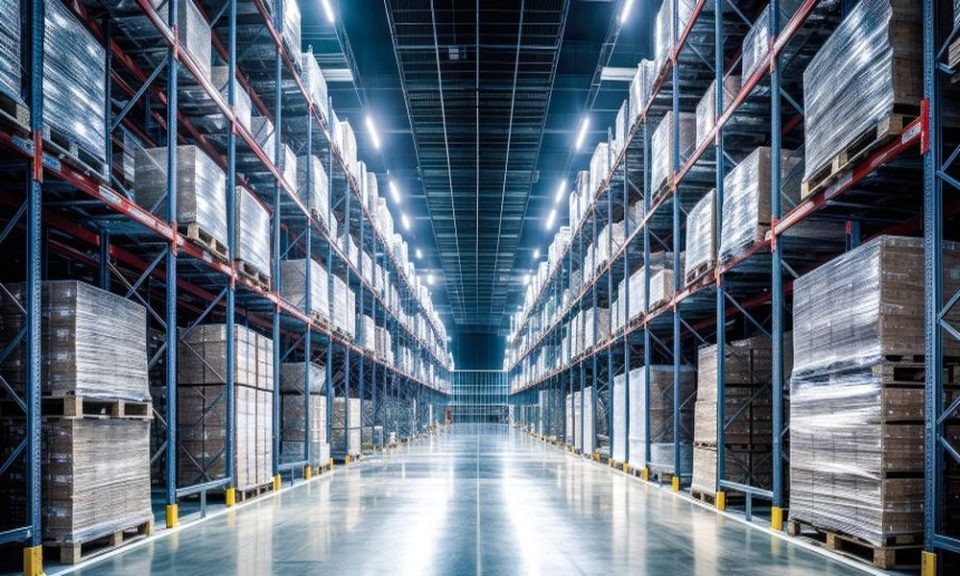
When business leaders imagine the ideal distribution center, images of vast, automated spaces in bustling urban hubs often come to mind. But what if most of these assumptions are holding your operation back? The world’s most effective distribution centers are not defined by size, location, or sheer technological might. Instead, their edge comes from superior strategy, architectural intelligence, and relentless attention to the realities on the ground.
Rethinking Size: Bigger Isn’t Always Better for Distribution Centers
The prevailing belief that “bigger means better” has led many organizations to invest in sprawling warehouses. Yet, evidence shows that massive facilities can create as many problems as they solve. Oversized spaces often result in unnecessary travel distances for workers and longer conveyor runs, which in turn dampen picking rates and inflate operating costs.
A right-sized distribution center, designed with a deep understanding of a company’s unique volumes and workflows, enhances operational flow. Precise zoning, optimized racking layouts, and ergonomic station design can dramatically reduce wasted steps and boost throughput without increasing the footprint. Projects led by Stendel + Reich Architecture, like Franklin Empire and Jean Coutu, demonstrate that efficiency thrives in facilities where every square meter serves a clear purpose, rather than simply adding more space for the sake of future-proofing.
Location Myths: Proximity to Customers Is Not the Only Factor
It seems intuitive to chase urban adjacency, believing that being close to the end-consumer guarantees speed and cost savings. However, urban sites come with sky-high land costs, zoning headaches, and limited scalability. Instead, successful operators are increasingly looking at secondary markets and logistics corridors, where strategic siting offers resilience and lower expenses without sacrificing service levels.
Distribution centers in non-traditional locations, such as the Ecoparc and Provigo Boucherville projects, leverage better access to highways, multimodal transport, and flexible labor pools. This not only reduces overhead but enhances adaptability in response to market shifts, demonstrating that location strategy is about more than simply sticking a pin on the nearest city map.
Technology Overload: Why More Automation Doesn’t Equal Better Performance
The myth that full automation is a silver bullet for operational excellence continues to persist. There is no denying that robotics, RFID, and AI-driven systems can offer huge gains in accuracy and speed, especially in high-tech and pharmaceutical environments. But even the most sophisticated technology cannot replace the value of human expertise.
High-performing distribution centers strike a careful balance, layering automation where it creates measurable impact, while allowing skilled workers to manage exceptions, fine-tune processes, and drive continuous improvement. Case in point: pharma and hi-tech facilities built by teams like Stendel + Reich distribution center architects showcase how integrating the right blend of automation and human oversight sets new benchmarks in reliability and productivity.
Sustainability Skepticism: Green Design Is Costly and Inefficient
It is time to retire the outdated idea that environmentally friendly distribution centers drain resources and budgets. Modern sustainable architecture incorporates energy-efficient systems, renewable materials, and smart site orientation, reducing both carbon footprints and long-term costs. Green roofs, high-performance insulation, and daylight harvesting systems now routinely pay for themselves through lower utility bills and healthier indoor climates.
Ecoparc stands as a compelling example, where sustainability measures are woven into the very fabric of the building. The outcome? A distribution center that not only minimizes its ecological impact but also drives down costs over its lifecycle and attracts tenants eager to fulfill their own ESG goals.
Design Aesthetics vs. Functionality: Form Over Function?
Who says industrial architecture must be boring or purely utilitarian? The design of a distribution center can play a pivotal role in employee morale, retention, and even brand image. When facilities are thoughtfully crafted, incorporating natural light, thoughtful material palettes, and striking exterior lines, they send a clear signal about a company’s culture and aspirations.
Bold projects such as German Larivière and Renaud-Bray illustrate how high-end distribution centers can be functional yet visually compelling. Far from being frivolous, this attention to design detail supports a positive workplace atmosphere and communicates corporate values to both employees and clients.
Flexibility Fallacy: Fixed Layouts Are the Norm
Rigid floor plans might seem efficient at first, but they quickly become a liability in a world where product lines, order profiles, and growth projections shift year over year. Top-tier architects now prioritize modularity, designing for quick reconfiguration and multi-client usage from day one.
Multi-locatif facilities, by their nature, demand flexible infrastructure, movable partitions, scalable racking, and utility grids that can be adapted or expanded without costly overhauls. This approach protects investment and ensures that the distribution center remains a strategic asset, not a future bottleneck.
Cost Control Confusion: Cutting Corners Leads to Savings
There is a persistent temptation to underinvest in design and construction, assuming that initial capital savings will boost the bottom line. The reality is more nuanced. Subpar architecture often leads to mounting repair bills, inefficiencies in operations, and increased turnover, all of which quietly erode margins.
Long-term client partnerships, such as those with Shoppers Drug Mart and Provigo, highlight a crucial lesson: investing in quality pays dividends over time. Superior design reduces maintenance, optimizes workflows, and supports seamless scaling, making every dollar spent on architectural excellence a smart move for operational leaders aiming for true business advantage.
